 Finowl
Email breach checks · Media and publishing
Email breach checks for subscription publishers
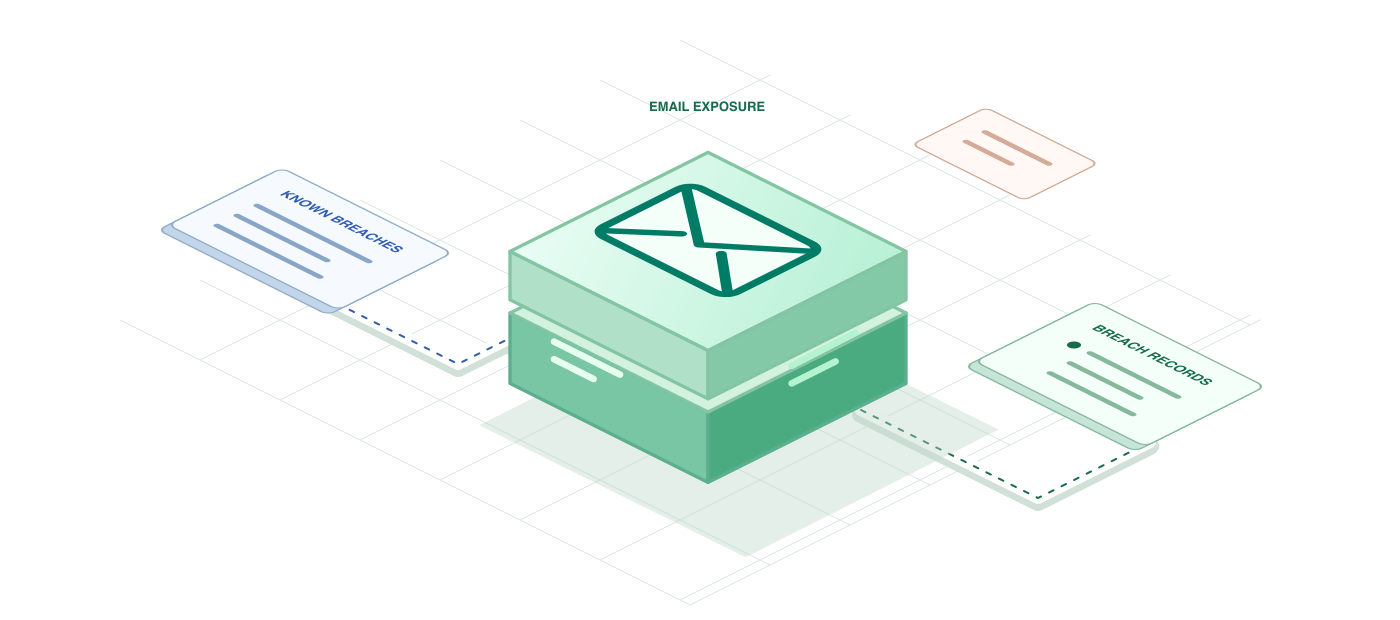
Subscription publishers see the same pattern again and again: an account suddenly logs in from many locations, the email address changes, and the real reader writes in confused. Checking subscriber emails against Finowl Intelligence helps you spot accounts at elevated risk before that happens. The response shows each breach, its date and which data classes leaked, so you can focus on accounts where passwords were exposed.
Publishers can use the signal without adding friction for everyone. Ask for a one-time code when a subscriber with a breached address changes their email or payment method, or when concurrent sessions spike. Audience and customer care teams can use the same data to explain why a reader was asked to verify, which protects trust in a relationship that depends on renewals.
USE CASES
Where it fits in media and publishing
Account change verification
When a subscriber changes their login email or payment details, check the current address and send a one-time code to it if it appears in breaches that exposed passwords.
Sharing and resale detection
Combine breach status with concurrent session counts and device diversity to identify subscriber accounts that are likely being resold, then prompt a password reset for the owner.
Newsletter platform signups
For paid newsletter platforms, check writer and subscriber emails at signup to decide whether to require email verification before granting access to paid archives and subscriber-only posts.
Customer care context
Give customer care agents breach context when a reader reports being locked out, so they can recognize takeover quickly and restore the subscription to the right person.
HOW TO INTEGRATE
The workflow
- 1
Store FINOWL_API_KEY on the subscription backend and keep it out of paywall scripts and client code.
- 2
Call POST /v1/breaches/email at registration and before changes to email, password or payment method.
- 3
Evaluate breached, DataClasses and IsVerified to decide whether to request a one-time code.
- 4
Feed the result into your session-sharing rules alongside device and concurrency signals.
- 5
Cache results for a short period and retry 429 responses only after the Retry-After interval.
curl https://api.finowl.co/v1/breaches/email \
  -H "Authorization: Bearer $FINOWL_API_KEY" \
  -H "Content-Type: application/json" \
  -d '{
  "email": "morning.reader@example.com"
}'
Runs before a subscriber changes their payment method. If the address appears in a breach that exposed passwords, send a one-time code to the current email first.
GOOD PRACTICE
Before you ship
Do not cancel or suspend subscriptions based on breach status alone. Readers with old breached addresses are common, so use the signal to request verification.
Keep breach results in security and fraud tooling, separate from advertising and audience profiles, and describe the check in your privacy notice.
Respect the reading experience. Trigger checks at account changes and suspicious sessions, not on every article view or app open.
Read the API reference for every field and error code. Each lookup costs 1 credit; see pricing.
A FEW GOOD QUESTIONS
Common questions
More for media and publishing
Email breach checks for subscription publishers
Start with 100 free credits every month and test the request above in the sandbox.