 Finowl
Gender prediction · Nonprofits
Aggregate supporter analytics for nonprofit outreach
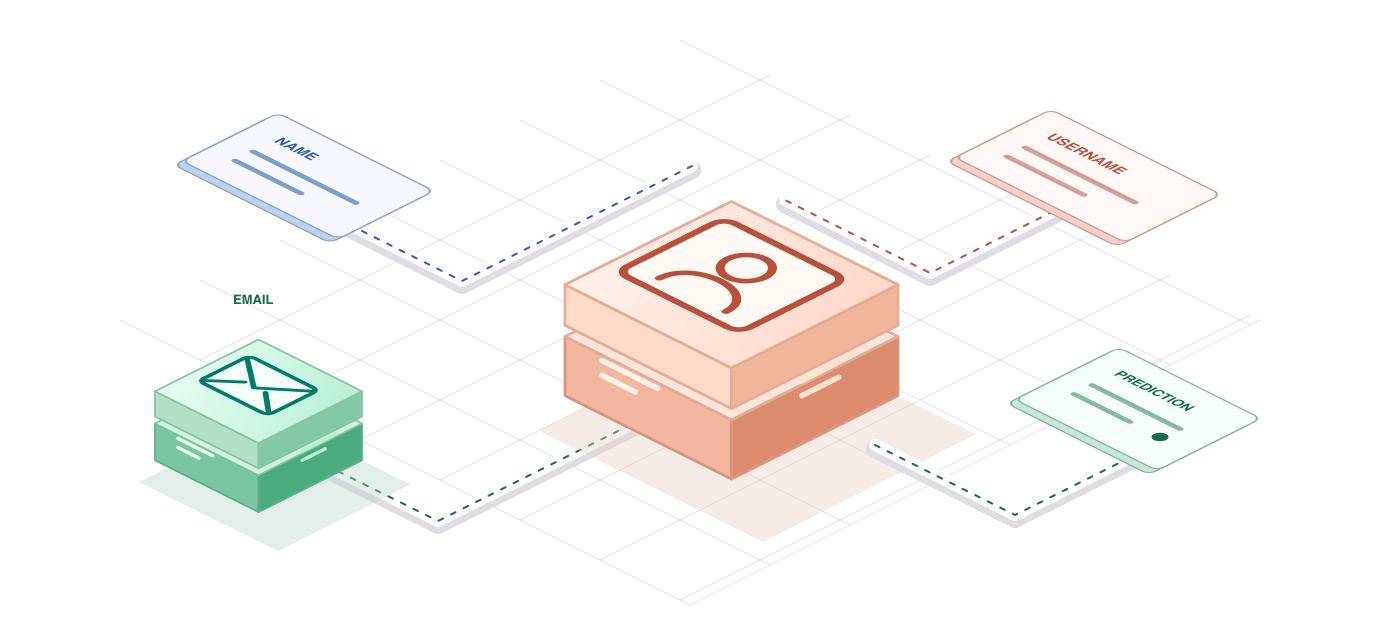
Fundraising and communications teams often want to know whether an appeal, volunteer drive or awareness campaign reaches a broad base of supporters. Many supporter records lack demographic data, and asking for it can feel intrusive. Finowl gender predictions estimate how a first name is typically used, so teams can produce aggregate reports on campaign reach, labeled clearly as estimates rather than facts about any supporter.
Predictions must never decide who receives services, grants, benefits or support, and they should not change how individual donors are treated. A prediction is not how someone identifies and can be wrong. Keep analysis aggregate, mention it in your privacy notice, and if you personalize communications, use neutral language by default and let supporters choose how they are addressed.
USE CASES
Where it fits in nonprofits
Appeal reach reports
Estimate the aggregate gender mix of donors responding to each appeal, helping fundraising teams see whether messaging and channels reach a broad base of supporters.
Volunteer recruitment review
Compare aggregate estimates of volunteer signups across recruitment channels, to inform where outreach could be broadened, without affecting how any individual volunteer is screened, placed or contacted.
Trustee and board reporting
Provide boards with aggregate, clearly labeled estimates of supporter reach for strategy discussions, alongside any self-reported data the organization already holds, with the share of unknown results shown clearly.
Event attendance analysis
Estimate the overall mix of registrants for galas, runs or community events, helping organizers plan formats and partners that welcome a wider range of supporters.
HOW TO INTEGRATE
The workflow
- 1
Export first names and optional country codes for donors or volunteers with opaque ids, excluding service beneficiaries.
- 2
Send up to 50 items per call to POST /v1/gender/batch, which uses dataset-only lookups at 1 credit each by default.
- 3
Keep identified results above a confidence threshold and report unknown results as their own category.
- 4
Share aggregates with your team and board, then delete per-record predictions.
curl https://api.finowl.co/v1/gender/batch \
  -H "Authorization: Bearer $FINOWL_API_KEY" \
  -H "Content-Type: application/json" \
  -d '{
  "items": [
    {
      "id": "donor-a1",
      "type": "name",
      "value": "Jordan",
      "country": "US"
    },
    {
      "id": "donor-a2",
      "type": "name",
      "value": "Amara",
      "country": "NG"
    },
    {
      "id": "donor-a3",
      "type": "name",
      "value": "Luca",
      "country": "IT"
    }
  ]
}'
Estimates gender for anonymized appeal respondents to report aggregate reach. Predictions are never used to decide who receives services or how donors are treated.
GOOD PRACTICE
Before you ship
Never apply predictions to beneficiaries or service eligibility. Decisions about who receives help, grants or support must not rely on statistical estimates of gender.
Supporters expect careful handling of their data. Mention gender inference in your privacy notice, keep only aggregates, and respect any objection to processing.
Use neutral salutations by default and let supporters choose how they are addressed, including options beyond male and female or no salutation at all.
Read the API reference for every field and error code. Each lookup costs 1 credit (3 when it requests AI); see pricing.
A FEW GOOD QUESTIONS
Common questions
More for nonprofits
Aggregate supporter analytics for nonprofit outreach
Start with 100 free credits every month and test the request above in the sandbox.