 Finowl
Language · Java
Call the Finowl API from Java 17 with HttpClient
Since Java 11 the JDK has shipped java.net.http.HttpClient, a modern client with HTTP/2 support, per-request timeouts and both blocking and async APIs. That makes it a good default for calling Finowl from Spring Boot services, Quarkus apps or plain command-line tools without pulling in a separate HTTP library. The only addition is a JSON library, and the examples here use Jackson because most Java stacks already have it on the classpath.
The client class below holds one HttpClient and one ObjectMapper, both thread-safe and meant to be shared. It reads FINOWL_API_KEY from the environment, sends JSON, and returns a Jackson JsonNode on success. Errors become a FinowlException with the status, the error code and the Retry-After value. The examples use Java 17 features such as switch expressions and records, so they compile on any current LTS release.
STEP 1
A reusable Java client
Keep your key in the FINOWL_API_KEY environment variable and route every call through one helper, so authentication, timeouts and error handling live in one place.
# java.net.http ships with the JDK; add Jackson for JSON
# Gradle
implementation("com.fasterxml.jackson.core:jackson-databind:2.17.2")
# Maven: groupId com.fasterxml.jackson.core, artifactId jackson-databind, version 2.17.2import com.fasterxml.jackson.databind.JsonNode;
import com.fasterxml.jackson.databind.ObjectMapper;
import java.io.IOException;
import java.net.URI;
import java.net.http.HttpClient;
import java.net.http.HttpRequest;
import java.net.http.HttpResponse;
import java.time.Duration;
public final class FinowlClient {
private static final String BASE_URL = "https://api.finowl.co";
private final HttpClient http = HttpClient.newBuilder().connectTimeout(Duration.ofSeconds(5)).build();
private final ObjectMapper mapper = new ObjectMapper();
private final String apiKey = System.getenv("FINOWL_API_KEY");
public static final class FinowlException extends RuntimeException {
public final int status;
public final String code;
public final long retryAfterSeconds;
FinowlException(int status, String code, long retryAfterSeconds) {
super("Finowl API error " + status + ": " + code);
this.status = status;
this.code = code;
this.retryAfterSeconds = retryAfterSeconds;
}
}
public JsonNode post(String path, Object body) throws IOException, InterruptedException {
HttpRequest request = HttpRequest.newBuilder(URI.create(BASE_URL + path))
.timeout(Duration.ofSeconds(10))
.header("Authorization", "Bearer " + apiKey)
.header("Content-Type", "application/json")
.POST(HttpRequest.BodyPublishers.ofString(mapper.writeValueAsString(body)))
.build();
HttpResponse<String> response = http.send(request, HttpResponse.BodyHandlers.ofString());
JsonNode json = response.body().isEmpty() ? mapper.createObjectNode() : mapper.readTree(response.body());
if (response.statusCode() == 200) {
return json;
}
String code = json.path("error").path("code").asText("unknown_error");
long retryAfter = response.headers().firstValueAsLong("Retry-After").orElse(0);
throw new FinowlException(response.statusCode(), code, retryAfter);
}
}STEP 2
Call the API you need
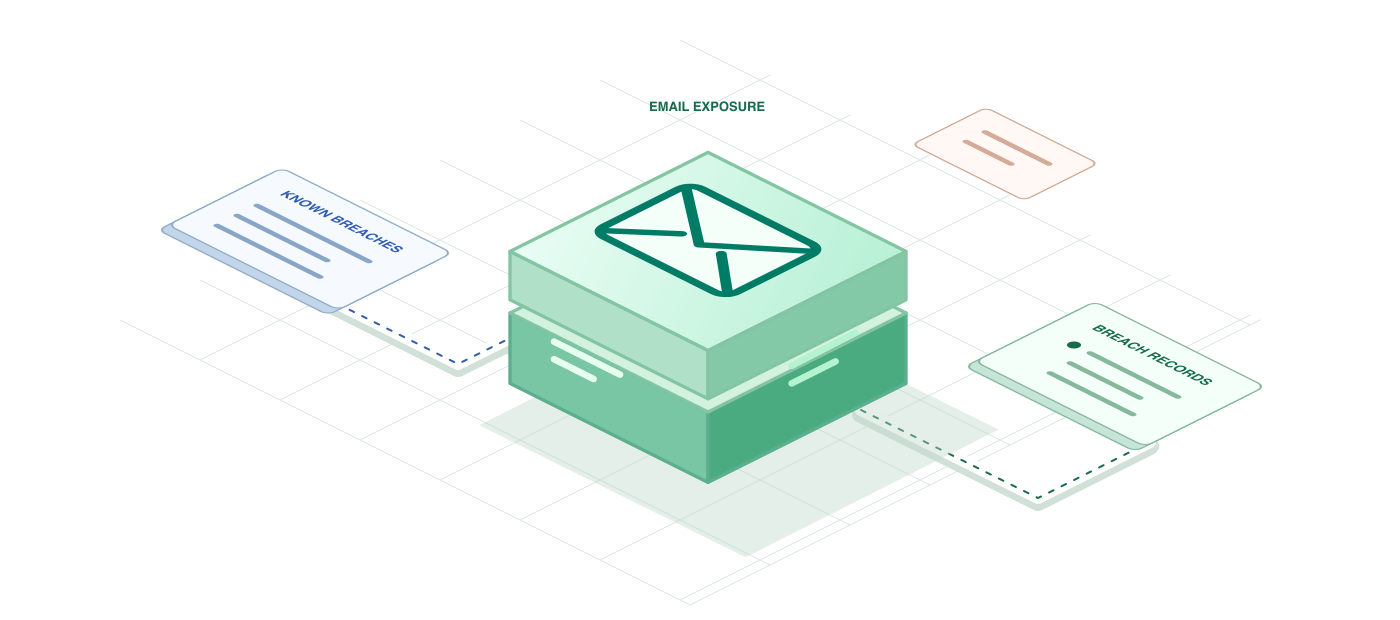
Check email breaches in Java with HttpClient
This Java example uses Jackson's tree model, which is a pragmatic way to read the email breach response without defining a class for every field. path() returns a missing node instead of null, so reading Title, BreachDate or DataClasses never throws a NullPointerException. When you are ready to map into domain objects, the same JSON binds cleanly to records with @JsonProperty annotations for the PascalCase keys.
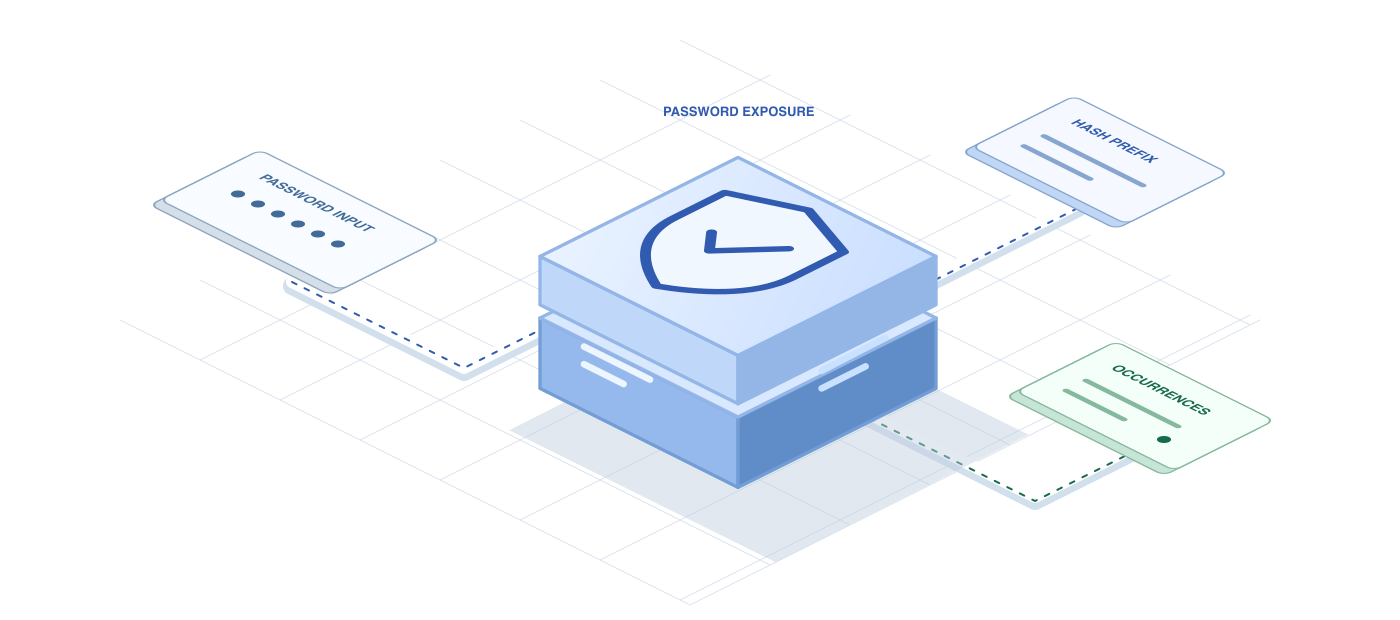
Check breached passwords in Java at registration
A breached password check fits into the registration and password change paths of a Java application, right before you encode the password with BCryptPasswordEncoder or a similar encoder. Finowl receives the plaintext over HTTPS, hashes it with SHA-1, searches by a 5-character prefix with padding, and returns breached and count. The value is processed transiently and never logged, stored or returned.
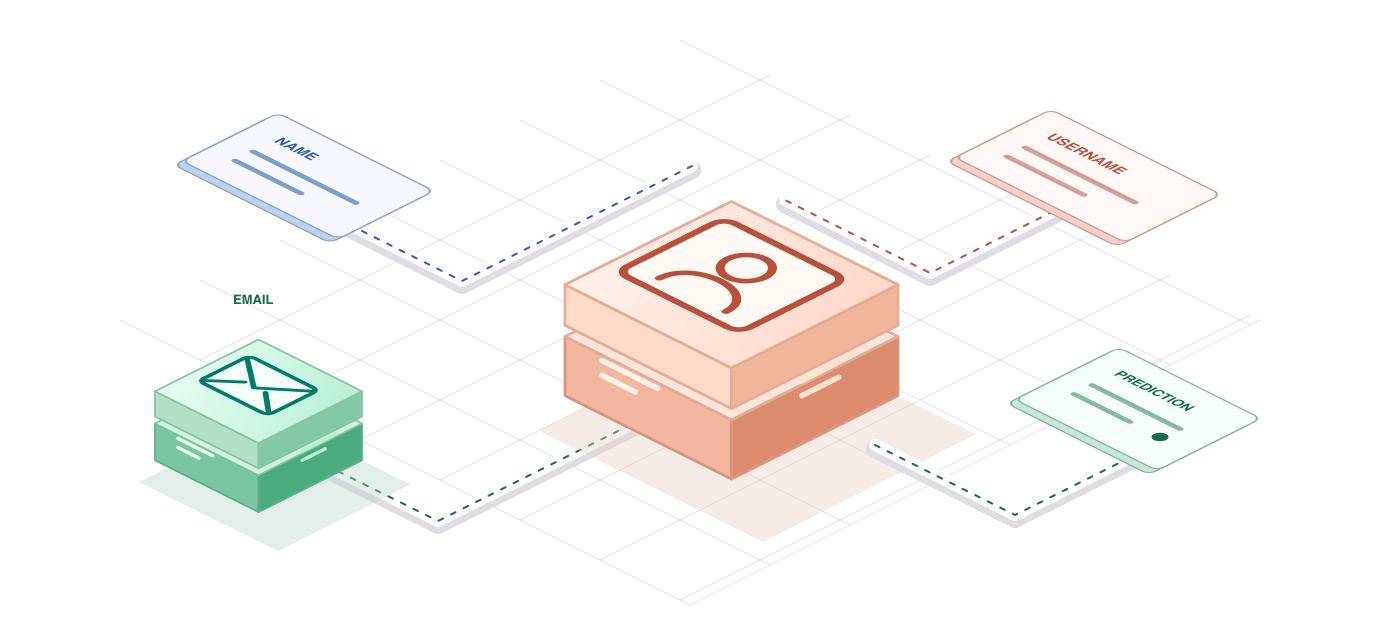
Predict gender from names in Java 17
The Java gender example maps the prediction into a record, which keeps calling code tidy and makes the nullable fields explicit. Jackson binds the snake_case JSON keys through @JsonProperty, and @JsonIgnoreProperties lets the record model only the fields you care about. Passing a country alongside the name gives Finowl a hint for names like Kim or Andrea, whose usage differs between countries.
A FEW GOOD QUESTIONS
Java questions
Other languages and frameworks
Ship with Java today
100 free credits every month. Try every request in the sandbox first.