 Finowl
Language · PHP
Use the Finowl API from PHP 8 with cURL
PHP still powers a large share of signup forms, WordPress plugins and Laravel or Symfony backends, and every one of them can call Finowl with the cURL extension that ships with most PHP 8 builds. Requests are JSON POSTs with a bearer token, and responses decode straight into associative arrays with json_decode, so you can work with breach records and gender predictions using the array syntax you already know.
The helper class below wraps cURL with a timeout, reads FINOWL_API_KEY with getenv, captures the Retry-After header through CURLOPT_HEADERFUNCTION, and throws a FinowlException with the status and error code on failure. It uses PHP 8 features such as constructor property promotion and readonly properties. If your project already uses Guzzle, the same request shape works there too, and the FAQ shows what changes.
STEP 1
A reusable PHP client
Keep your key in the FINOWL_API_KEY environment variable and route every call through one helper, so authentication, timeouts and error handling live in one place.
<?php

declare(strict_types=1);

final class FinowlException extends RuntimeException
{
    public function __construct(
        public readonly int $status,
        public readonly string $errorCode,
        public readonly int $retryAfter = 0,
    ) {
        parent::__construct("Finowl API error {$status}: {$errorCode}");
    }
}

final class FinowlClient
{
    private const BASE_URL = 'https://api.finowl.co';
    public function post(string $path, array $payload): array
    {
        $retryAfter = 0;
        $ch = curl_init(self::BASE_URL . $path);
        curl_setopt_array($ch, [
            CURLOPT_POST => true,
            CURLOPT_RETURNTRANSFER => true,
            CURLOPT_TIMEOUT => 10,
            CURLOPT_HTTPHEADER => [
                'Authorization: Bearer ' . getenv('FINOWL_API_KEY'),
                'Content-Type: application/json',
            ],
            CURLOPT_POSTFIELDS => json_encode($payload, JSON_THROW_ON_ERROR),
            CURLOPT_HEADERFUNCTION => function ($ch, string $header) use (&$retryAfter): int {
                if (stripos($header, 'Retry-After:') === 0) {
                    $retryAfter = (int) trim(substr($header, 12));
                }
                return strlen($header);
            },
        ]);
        $body = curl_exec($ch);
        if ($body === false) {
            throw new RuntimeException('Network error: ' . curl_error($ch));
        }
        $status = curl_getinfo($ch, CURLINFO_RESPONSE_CODE);
        $data = json_decode($body, true) ?? [];
        if ($status === 200) {
            return $data;
        }
        throw new FinowlException($status, $data['error']['code'] ?? 'unknown_error', $retryAfter);
    }
}
STEP 2
Call the API you need
Check email breaches in PHP with cURL
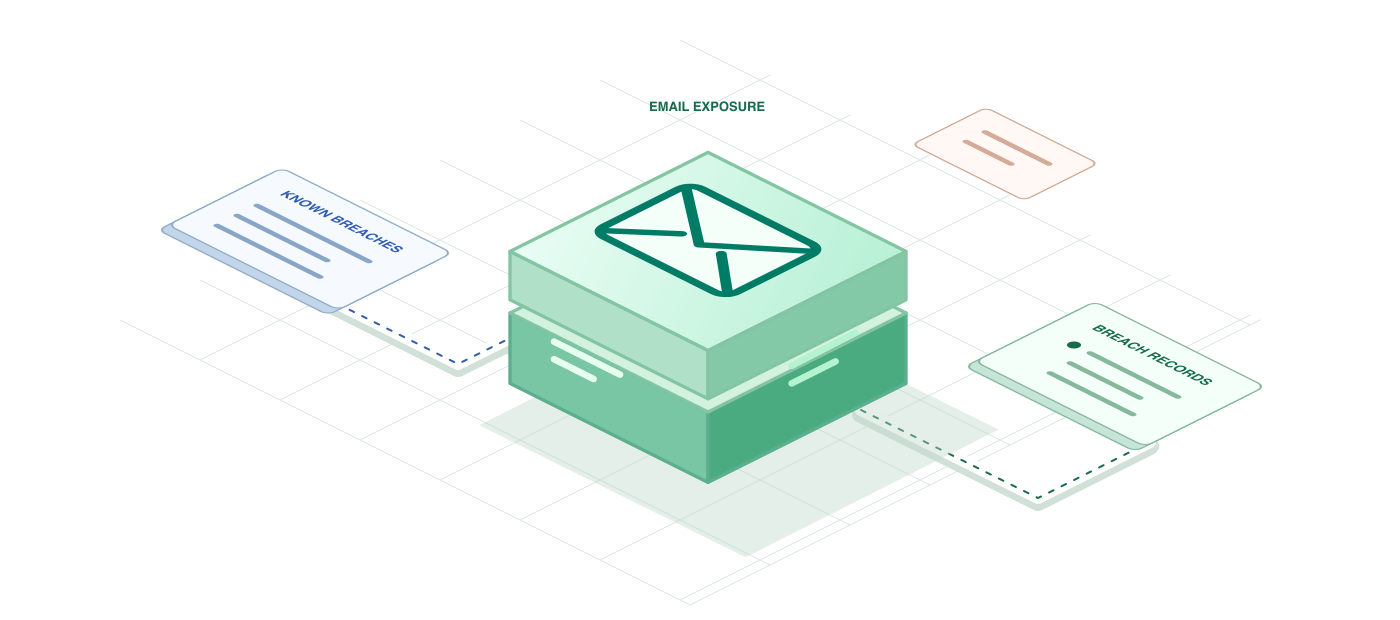
For PHP applications the email breach check usually runs after a registration form is submitted or from a queued Laravel job that rechecks accounts. json_decode with the associative flag turns the response into arrays, so a foreach over $result['breaches'] gives you each record's Title, BreachDate and DataClasses. implode makes the data classes readable for a notification email or an admin screen.
Check breached passwords in PHP before hashing
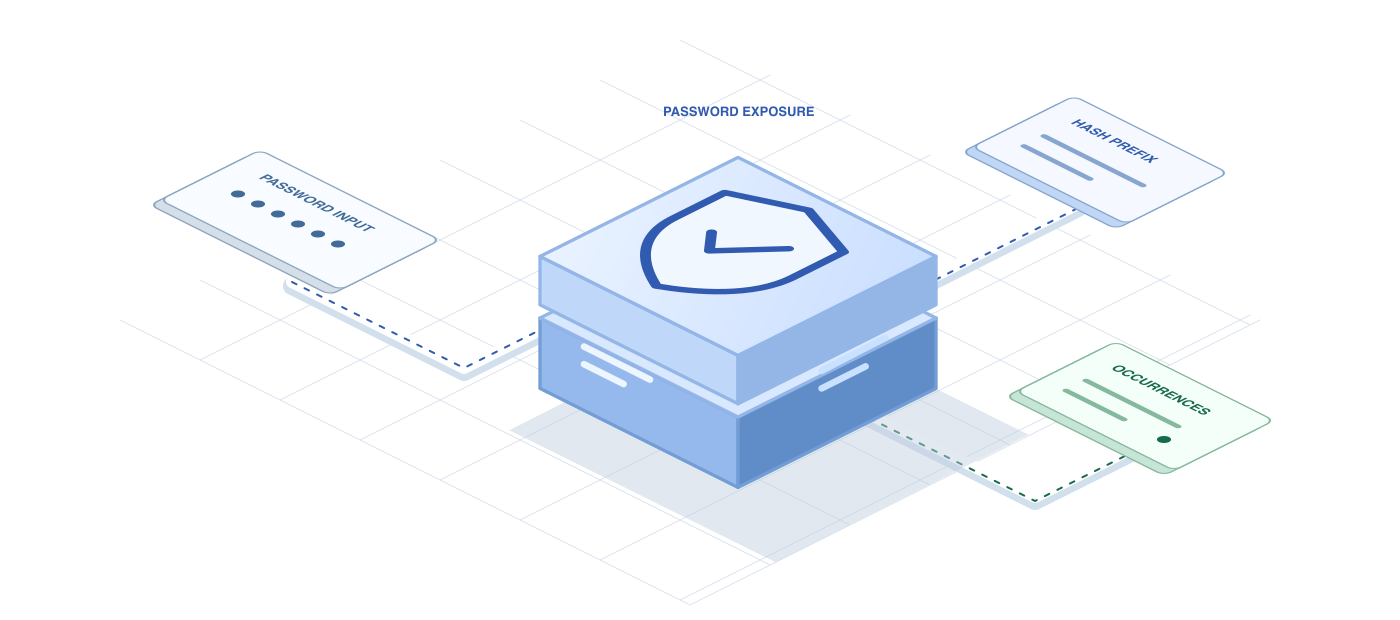
PHP gives you password_hash and password_verify for storage, and a breach check slots in right before password_hash during signup or a password change. The Finowl endpoint receives the plaintext over HTTPS, hashes it with SHA-1, searches by a 5-character prefix with padding, and returns breached and count. Finowl processes the password transiently and never logs, stores or returns it.
Predict gender from names in PHP 8 with cURL
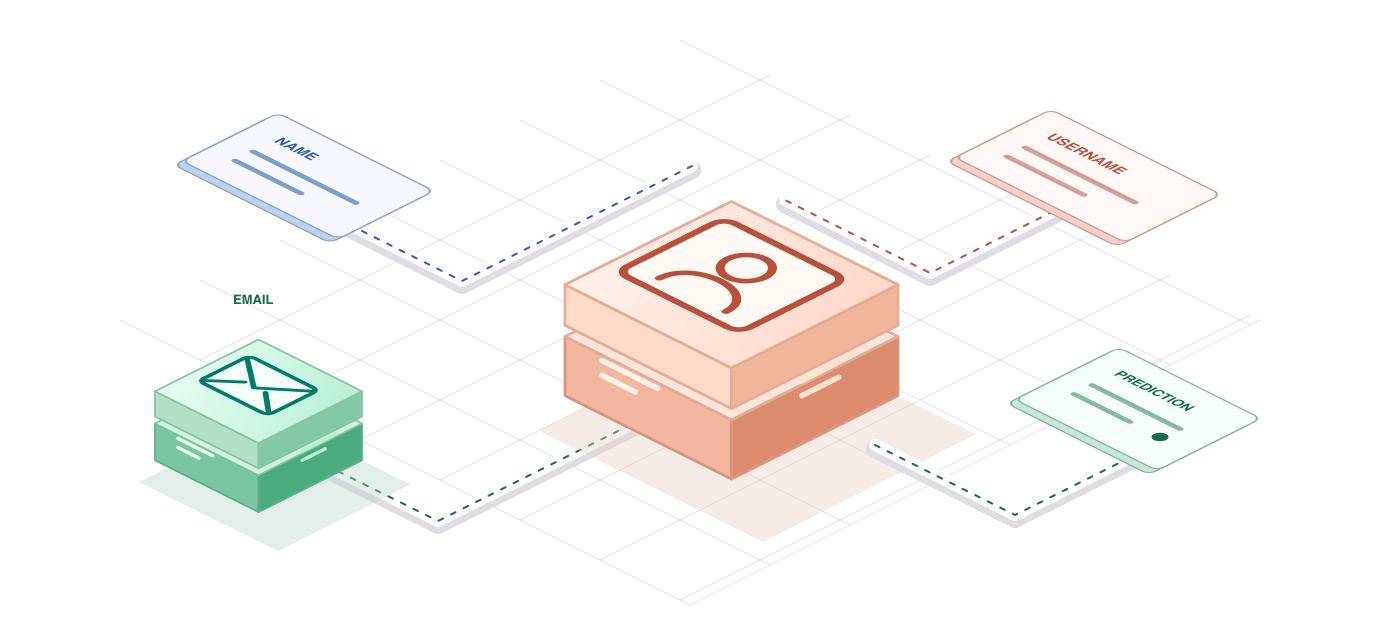
In PHP, gender lookups are often used to enrich CRM records or to segment newsletter analytics. The name endpoint returns the prediction inside a data key, so after json_decode you read $result['data']['result_status'] first, then gender, confidence and source when the status is identified. A country code such as IT or US helps with names whose usage differs by country, like Andrea.
A FEW GOOD QUESTIONS
PHP questions
Other languages and frameworks
Ship with PHP today
100 free credits every month. Try every request in the sandbox first.